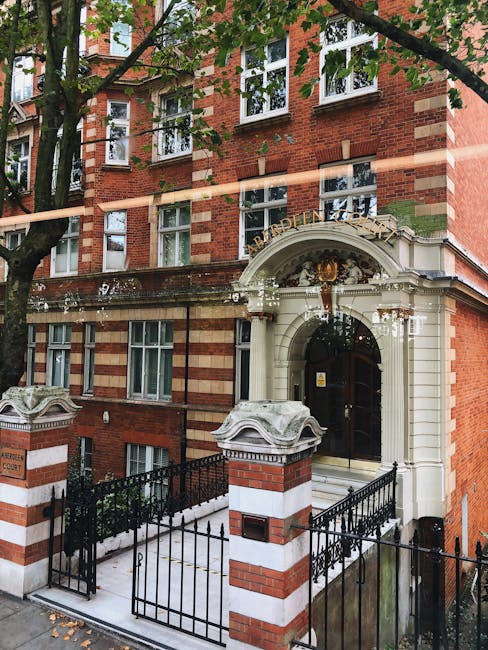
Access problems for Hammersmith mansion blocks during removals: a practical guide
Moving out of a mansion block in Hammersmith can be straightforward on paper and a bit of a headache in real life. Narrow entrances, awkward stairwells, lift restrictions, parking stress, and strict building rules can all turn a simple removal into a slow, frustrating shuffle of boxes, furniture, and patience. If you are dealing with Access problems for Hammersmith mansion blocks during removals, the good news is this: most of the difficulty can be reduced with the right planning, the right vehicle, and a proper understanding of the building layout before moving day.
This guide breaks down what usually goes wrong, why it matters, how a well-run move should be handled, and what practical steps make the biggest difference. You will also find a comparison table, a hands-on checklist, and answers to the questions people actually ask when they are staring at a staircase and wondering how on earth a wardrobe is going to fit through it.
Why access problems in Hammersmith mansion blocks matter
Mansion blocks are lovely until you need to move something large through them. Hammersmith has plenty of period and converted apartment buildings where the access looks generous from the street, but the reality inside is different. The doorway might be narrower than expected, the hallway may have a sharp turn, the lift may be tiny, or the managing agent may allow only a short loading window. One missed detail can cost time, money, and a fair bit of sanity.
Why does this matter so much? Because access is not just a convenience issue. It affects labour, vehicle size, moving time, insurance exposure, and whether items can be moved safely at all. A sofa that is easy to carry in a house move can become an awkward, two-person puzzle in a mansion block landing with a low ceiling and a banister that seems to have been designed by someone who disliked furniture.
It also affects neighbours. In a shared building, noise, blocked communal areas, and repeated trips through a busy entrance can create friction very quickly. Let's face it, nobody wants to be the move everyone in the block remembers for the wrong reasons.
If you are arranging flat removals, house removals, or a more complex move that involves multiple large items, the access plan deserves the same attention as the packing. In many cases, a better route, a better arrival time, or a better vehicle choice does more to protect the move than extra muscle alone. For general support with apartment moves, flat removals can be a useful starting point, especially where stairs, shared entrances, or tight hallways are part of the picture.
How access planning works during removals
Good access planning starts before any boxes are lifted. The process is simple in principle, but it needs a bit of detail. First, the mover or customer identifies the building constraints: entrance width, stair count, lift dimensions, loading restrictions, parking options, and any rules from the managing agent or residents' association. Then the removal plan is matched to those limits rather than forcing a standard move into a non-standard building.
In practice, this usually means checking three areas:
- Building access - door widths, corridor turns, lift size, ceiling height, and any items that cannot be used, such as service lifts or communal loading bays.
- Street access - whether the van can stop nearby, if parking needs to be arranged, and whether the street is narrow, busy, or time-restricted.
- Item access - whether the furniture can be dismantled, carried upright, or protected well enough to pass through tight spaces safely.
That last part matters more than people think. A bulky armchair can be easy. A wardrobe with fixed shelves, not so much. A piano, treadmill, or oversized chest of drawers can turn into a whole separate operation. If you have awkward pieces, it is worth considering specialist support such as piano removals or broader furniture removals where the handling needs are more technical than standard box shifting.
On the moving day itself, access planning becomes a choreography. One person may manage the entrance, another may protect corners and walls, and the driver may reposition the van if the building only allows short stopping periods. This is where experience saves time. The move flows better when everybody knows the route before the first crate reaches the doorway.
A small but important detail: the building might be easy to enter at 8 a.m. and annoying by lunchtime because of traffic, deliveries, or residents returning home. Access is temporal as well as physical. Morning moves often feel calmer for that reason alone.
Key benefits and practical advantages
Spending time on access planning may feel like overkill at first, but the payoff is very real. The biggest benefit is reduced risk. When the route is known, items are less likely to be scuffed, dropped, or jammed in a doorway. That is good for the belongings, of course, but also for the walls, flooring, and shared parts of the building.
Another advantage is speed. A removal team that knows they will need a smaller vehicle, extra parking caution, or a specific lift arrangement can work faster than one that discovers the problem on arrival. Less guesswork. Fewer awkward pauses. More movement, less standing around saying, "Right, that's interesting."
There is also a cost benefit, even if it does not always look obvious. Delays caused by access issues can add labour time, waiting time, or an extra trip in the van. Planning properly may avoid that. If your move is time-sensitive or budget-conscious, checking access early is one of the cleanest ways to keep the job efficient. For pricing conversations, pricing and quotes can help set expectations before move day gets complicated.
Finally, access planning makes the experience feel less stressful. That sounds soft, but it matters. Moving day already involves keys, deadlines, bins, neighbours, and a hundred small decisions. Anything that reduces the mental load is worth doing. To be fair, most people remember the feeling of a move more than the exact schedule.
| Approach | Best for | Strengths | Limitations |
|---|---|---|---|
| Standard van and a normal crew | Simple moves with good access | Cost-effective and quick for straightforward jobs | Less flexible when lifts, stairs, or parking are tight |
| Pre-planned flat removal | Mansion blocks, upper floors, and shared entrances | Better route planning, fewer surprises, safer handling | Needs more preparation before the move |
| Smaller vehicle / shuttle setup | Narrow roads or limited loading space | Easier to park and manoeuvre near the property | May require more trips if volume is high |
| Specialist handling for awkward items | Pianos, oversized furniture, fragile pieces | Lower risk of damage and better control in tight access | May need extra planning and specialised equipment |
Who this is for and when it makes sense
This topic is relevant to more people than you might expect. The obvious group is flat owners and tenants in mansion blocks, but it also applies to landlords, property managers, and anyone helping with a probate move or temporary relocation. If the building is shared, if the lift is small, or if parking is a puzzle, you are in the right category.
It makes particular sense to focus on access if you are moving from an upper floor, handling fragile or bulky furniture, or arranging a time-limited move between tenancies. Students moving into or out of larger shared buildings may also benefit from a lighter, quicker setup; in some cases, student removals and a compact vehicle are more practical than a full-size removal lorry. The same idea applies to people using a straightforward man and van arrangement where agility matters more than volume.
This approach also suits people who have already had a bad move once. You know the type: the van arrives, the lift is too small, the driver can't stop outside, and the headboard suddenly becomes a geometry problem. If that sounds familiar, you do not need a perfect solution. You need a better one.
Commercial tenants moving from a mansion block office suite or mixed-use building should pay attention too. Access planning can be even more important where reception desks, filing cabinets, IT equipment, and business deadlines are involved. In that scenario, a structured commercial moves approach can reduce disruption and avoid frantic last-minute reshuffling.
Step-by-step guidance
If you want the move to feel manageable, work through it in this order. Not every move needs a detailed project plan, but the following sequence covers the basics well.
- Measure the access points
Measure the front door, any internal doors, stair turns, and the lift interior if there is one. Do not guess. A few centimetres can decide whether a sofa goes through standing up or not at all. - Check street and parking conditions
Look at the road outside the building. Can a van stop near the entrance? Is there a loading bay? Is the road too narrow for larger vehicles? Hammersmith streets can be lively, especially later in the morning, so timing matters. - Speak to the building manager early
Ask about move times, lift booking, protective coverings, permits, and any restrictions on communal areas. Some mansion blocks are fine with moves, but they want notice. Fair enough. - Sort the furniture list
Identify which items are large, fragile, heavy, or awkward. Decide what should be dismantled in advance. Bed frames, shelving, and some wardrobes are much easier once taken apart. - Choose the right moving setup
For tighter access, a smaller van may work better than a large truck. In other cases, a larger vehicle is still fine if street access is generous. The point is to match the vehicle to the building, not the other way around. You can explore options such as removal van or removal truck hire depending on what the building can actually handle. - Protect walls, floors, and communal spaces
Use blankets, door guards, floor protection, and proper wrapping for vulnerable items. This is where a thoughtful mover makes a visible difference. - Have a fallback plan
If the lift fails, parking gets blocked, or an item does not fit, know what happens next. Can the item be dismantled? Can it be carried another way? Can it go into storage temporarily? A backup plan avoids panic.
If the move involves staged transport, delayed completion, or a gap between addresses, storage can buy time and reduce pressure. That is particularly useful when the new property is not ready or access is worse than expected. In that case, storage can be the calmer middle step, rather than forcing everything to happen in one frantic push.
Expert tips for better results
Experience teaches you a few things the hard way, and access issues are one of them. The first tip is simple: photograph the tricky parts. Snap the entrance, the stairwell, the lift panel, the parking space, and any tight corners. A photo tells a mover much more than "it's a bit awkward."
Second, dismantle earlier than you think you need to. People often leave this too late because the furniture still looks manageable in the living room. Then the move begins and suddenly that ottoman has become a larger personality than expected. Early breakdown saves time, and it usually keeps your nerves steadier too.
Third, keep a clear path inside the flat. In a mansion block, hallways can be narrow and shared with neighbours passing in and out. The fewer loose items on the floor, the better. It sounds obvious, but one forgotten umbrella stand near the door can slow everything down.
Fourth, pack by access difficulty, not just by room. Put the items most likely to need special handling in one category. That way the crew knows which boxes and furniture should go out first, and which need extra care. If you are doing the packing yourself, packing and boxes support can make that part much easier to organise.
And one more thing: be realistic about the time. Shared-building moves often take longer than house moves, not because anyone is slow, but because shared spaces add friction. Doors must be held open. Lifts must be shared. Someone else is coming out with a pram. Someone else is returning with shopping. It all adds up.
Common mistakes to avoid
The biggest mistake is assuming the building will "probably be fine." Probably is not a plan. If access is tight, treat it as tight until proven otherwise. That mindset prevents a lot of avoidable stress.
Another common error is measuring only the room and forgetting the route. Yes, the sofa fits in the lounge. But does it fit through the hallway corner? Does the lift door open wide enough? Does the banister block the turn? The route is the real test.
People also forget the street outside. A move can be completely workable indoors and still fail outdoors if the van cannot park near the entrance. This is especially annoying in busy parts of Hammersmith where road space disappears quickly. You get the point.
Here are other mistakes worth dodging:
- Leaving building permission until the last minute.
- Ignoring lift booking rules or time restrictions.
- Not checking whether the move needs additional people.
- Failing to protect communal floors and walls.
- Assuming a large van is always better.
- Forgetting to plan around neighbours, deliveries, or school-run traffic.
One slightly awkward truth: many access problems become expensive only after the move begins. That is why a calm, boring pre-check often beats a heroic rescue later on. Boring is good here.
Tools, resources and recommendations
You do not need specialist kit for every move, but certain tools make mansion block removals much smoother. A tape measure is the obvious one. A door-stop, furniture blankets, straps, and protective wraps are also useful. If you are moving larger items, sliders or a trolley can save both backs and carpets.
For planning, a simple room-by-room list is still one of the best tools around. Add columns for item size, fragility, dismantling needs, and access difficulty. That little bit of organisation can prevent a lot of muddle on the day.
If you want to reduce the risk of damage and keep responsibilities clear, it helps to review service information before booking. Pages such as insurance and safety, health and safety policy, and terms and conditions are the sort of documents sensible customers often check when they are weighing up who to trust with a tricky move.
If you need a clearer picture of the company itself, about us is also worth reading. And if you are comparing overall service support, removal services can be a useful broad option when the job needs more than a one-off lift and carry.
For sustainability-minded moves, it can also be helpful to think about what should be moved, donated, recycled, or collected separately. That is especially true in mansion blocks where residents often use moves as a chance to declutter a bit. The flat looks lighter afterwards, which is no bad thing. If that matters to you, recycling and sustainability may fit naturally into the planning stage.
Law, compliance, standards and best practice
For most people, access planning is less about legal theory and more about safe, considerate practice. Still, there are a few things worth keeping in mind. Building managers may impose rules about booking lifts, protecting floors, using service entrances, or moving within certain hours. Those rules are usually practical rather than dramatic, but they do matter.
On the mover's side, best practice typically includes safe handling, suitable lifting methods, clear communication, and proper insurance cover. If the removal company has to carry items through communal areas, they should take reasonable care to avoid damage and injury. That means planning the route, using the right equipment, and not forcing items through spaces where they clearly do not belong.
In the UK, shared buildings can also involve fire routes, access control, and neighbour considerations. A good mover will respect all of that without making a fuss. The quieter and tidier the move, the better. Nobody wants a stairwell blocked with wardrobe parts while someone is trying to get to work.
If you are unsure about obligations, it is best to check the building rules in plain language first and keep communication in writing where possible. That way everyone knows what has been agreed. It is not glamorous, but it works.
Options, methods and comparison table
There is no single right way to handle access problems. The best method depends on the building, the road outside, and the size of the move. Here is a simple comparison to help you think it through.
| Method | When it works best | Pros | Watch-outs |
|---|---|---|---|
| Small van and hand carry | Narrow streets, limited parking, smaller loads | Easy to position, nimble, often quicker in tight urban spots | May need more trips and more walking distance |
| Standard removal vehicle | Moderate access with a fuller house or flat load | Good balance of capacity and efficiency | Not ideal where roads or entrances are extremely tight |
| Pre-booked lift and floor protection | Buildings with managed communal areas | Reduces delays and protects the property | Requires cooperation from management and residents |
| Disassembly and staged loading | Bulky furniture or awkward stairwells | Improves fit and reduces damage risk | Takes longer, so needs a bit more preparation |
| Temporary storage before final delivery | Move-in dates or access conditions do not line up cleanly | Removes pressure and creates flexibility | Requires extra coordination and possibly extra handling |
For most mansion block moves, the winning formula is some combination of these methods rather than just one. A small van may be ideal for the street, but a proper dismantling plan may still be needed for the sofa. A storage stop may solve timing, while a second crew member solves the staircase. It is rarely one-size-fits-all.
Case study or real-world example
Here is a realistic scenario. A couple is moving out of a second-floor flat in a Hammersmith mansion block. The entrance is fine, but the internal staircase has a tight bend and the lift is too small for their wardrobe. On paper, they thought they could manage with a quick van-and-lift job. In reality, the plan needed a rethink.
They measured the wardrobe, took photos of the staircase, and spoke to the building manager about the lift booking and loading time. The wardrobe was dismantled in advance, the bed frame was broken down, and the moving team arrived with blankets, straps, and a smaller vehicle positioned close to the entrance. They also set aside a few bulky items to go into storage for a week because the new place was not quite ready.
The move still took effort, of course. It was not magic. But it stayed controlled. No panicked turns in the stairwell, no neighbour complaints, no frantic searching for parking. Just a steady job, done properly. That is what a good access plan does: it turns a potentially messy day into an organised one.
And yes, they still had to find the kettle first. Moving is never completely dignified, is it?
Practical checklist
Use this checklist before move day. It keeps the obvious things from slipping through the cracks.
- Measure doors, stair turns, lift size, and any tricky corners.
- Check whether the van can stop close to the building.
- Confirm parking rules and any loading restrictions.
- Ask the building manager about lift bookings and move times.
- Decide which furniture should be dismantled in advance.
- Identify any fragile, heavy, or awkward items early.
- Protect floors, walls, and communal surfaces.
- Pack a clear first-load group for priority items.
- Arrange storage if the timing between properties is uncertain.
- Keep building keys, contact numbers, and permissions easy to reach.
Expert summary: If you are dealing with access problems in a Hammersmith mansion block, the best results usually come from early measurement, honest planning, and choosing the right vehicle and handling method for the actual building rather than the ideal one.
Conclusion
Access problems for Hammersmith mansion blocks during removals are common, but they are rarely a disaster if you plan properly. The real challenge is not the move itself; it is the gap between what people assume the building will allow and what the building can actually do. Once that gap is closed, the whole job becomes calmer, safer, and much easier to manage.
Measure early. Speak to the building. Choose the right removal setup. Keep a backup plan. Those four habits solve a surprising amount of hassle, and they do it without drama. Which, on moving day, is exactly the point.
Get a free quote today and see how much you can save.
When a move is handled with care and a bit of practical thinking, it stops feeling like a scramble and starts feeling like progress. That is a better way to leave any home, really.
Frequently Asked Questions
What are the most common access problems in Hammersmith mansion blocks?
The usual problems are narrow stairwells, small lifts, tight doorways, awkward hallway turns, parking restrictions, and limited loading time outside the building. Shared entrances can also slow everything down.
How do I know if my furniture will fit through the building?
Measure the widest parts of the furniture and compare them with the doorways, stair turns, and lift dimensions. If an item is bulky, it is often safer to assume it may need dismantling until you check properly.
Should I book a smaller van for a mansion block move?
Sometimes, yes. A smaller van can be easier to park near the entrance and may suit tight residential streets better. But if your load is large, the right answer may still be a bigger vehicle plus careful timing. It depends on access, not just volume.
Do I need permission from the building manager before moving?
In many mansion blocks, yes. Building managers often want notice for lift bookings, parking arrangements, or protection of communal areas. It is best to check early so there are no awkward surprises on the day.
What should I do if the lift is too small?
If the lift is too small, you may need to use the stairs, dismantle larger items, or move certain pieces in sections. In some cases, storage or a different vehicle setup can make the whole move easier.
How much extra time should I allow for access issues?
There is no fixed rule, because every building is different. Still, it is sensible to allow extra time when the flat is on an upper floor, the street is busy, or the access route is tight. A move with shared spaces almost always takes longer than expected.
Can access problems increase moving costs?
Yes, they can. More labour time, waiting time, extra trips, or specialist handling may all affect the cost. That is why accurate access information is so useful when asking for a quote.
What if my sofa or wardrobe cannot get through the stairs?
The usual solutions are dismantling, removing parts such as legs or doors, or using a different route if one exists. If none of those works, the item may need specialist handling or storage until a better solution is arranged.
Are mansion block moves more stressful than house removals?
They can be, mainly because shared entrances, lifts, and parking add more variables. A well-planned flat move can still be very smooth, though. The difference is in the planning, not the property type alone.
Is it worth using storage during a difficult access move?
Yes, often it is. Storage gives you flexibility if the new place is not ready, if the access is awkward, or if you want to move in stages rather than all at once. It can take a lot of pressure out of the day.
How can I make moving day less disruptive for neighbours?
Book the move in a sensible time window, keep communal areas clear, protect the floors and walls, and avoid blocking entrances longer than necessary. A polite heads-up to the building is also helpful. Simple things, but they matter.
What is the best first step if I'm unsure about access?
Start with measurements and photos. Then check the building rules and parking conditions. Once you have that information, it becomes much easier to decide whether you need a standard move, a smaller van, dismantling help, or storage support.