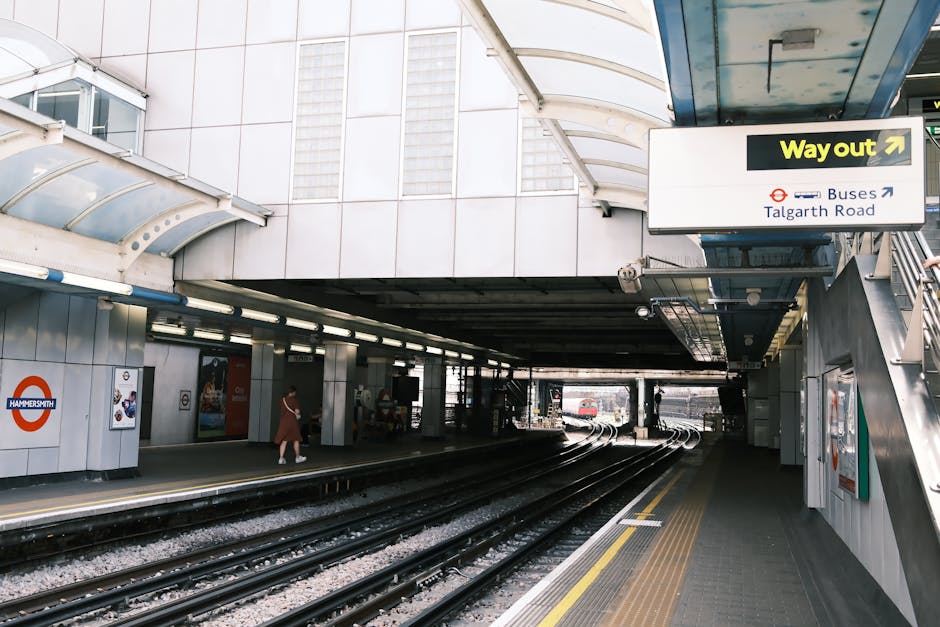
Delays and Common Problems in Hammersmith Removals
Moving house or office in Hammersmith can be straightforward on paper, and then the day arrives and everything feels just a bit more complicated than expected. A narrow street, a late key handover, parking that disappears in minutes, one box too many, or a sofa that refuses to fit through the stairwell - any of these can throw the whole plan off. That is exactly why understanding delays and common problems in Hammersmith removals matters before moving day, not after.
In this guide, we break down the most common causes of hold-ups, how removal jobs typically go wrong in busy parts of Hammersmith, and what practical steps reduce stress without turning your move into a military operation. You will also find a checklist, a comparison table, and a realistic example based on the kinds of issues people run into all the time. Let's face it: moving is never just moving. It is logistics, timing, access, and a fair bit of patience.
- Why delays and problems matter
- How removals in Hammersmith usually unfold
- Key benefits of planning ahead
- Who this guide is for
- Step-by-step guidance
- Expert tips to stay on track
- Common mistakes to avoid
- Tools, resources and recommendations
- Law, compliance and best practice
- Options and comparison table
- Case study example
- Practical checklist
- Conclusion
- Frequently asked questions
Why Delays and common problems in Hammersmith removals Matters
Delays do more than make a move feel annoying. They can create knock-on problems that affect your lease handover, building access, utility setup, childcare, work commitments, and even the mood of the whole day. If you are moving from a flat in one of Hammersmith's busier streets, a small delay can quickly become a bigger one because loading space is limited and timing windows are often tight.
In practical terms, a delayed removal often means extra labour time, more waiting around, and less control over the day. If the van cannot park near the entrance, or if the property is on an upper floor with awkward stairs, the team has to work harder and longer. That is not always dramatic, but it is enough to push a tidy schedule into a messy one.
There is also the emotional side. Moving day is already full of small decisions and low-level stress. When boxes are not ready, furniture is still being dismantled, or keys are not released on time, people start rushing. And rushing is where mistakes happen. A scratched wall, a dropped lamp, a missed item in storage - the usual little disasters. Not ideal.
For households, students, landlords, and local businesses alike, getting ahead of common removal problems is really about reducing friction. If you know what can go wrong, you can build in buffers, ask better questions, and choose the right service level. A simple, well-prepared move often comes down to this: the less you leave to chance, the less chance has to cause trouble.
How Delays and common problems in Hammersmith removals Works
A removal job in Hammersmith usually follows a fairly familiar sequence: survey or quote, packing, access planning, loading, transport, unloading, and final placement of items. The trouble starts when one part of that chain is less prepared than the others. Truth be told, most delays are not random. They come from predictable weak spots.
For example, if the quote was based on a rough description of the contents, the vehicle may be too small. If the building has no lift and the team only learns that on arrival, loading takes longer. If the parking arrangement is unclear, the van may need to stop further away, adding extra carrying time. None of that is unusual. It is just the reality of moving in a dense London area.
Hammersmith can also involve mixed property types, from mansion blocks and converted flats to terraced houses and offices. That mix matters because each property type brings different access needs. A ground-floor flat with a wide frontage is a different job from a third-floor walk-up with a bend in the stairwell and a busy pavement outside. Same postcode, very different experience.
Here is the useful bit: when you understand the moving process as a chain of dependencies, the common problems become easier to spot. The packing stage affects loading. Loading affects vehicle choice. Vehicle choice affects parking. Parking affects time. Time affects cost. It all links together, which is why a small issue early on can become a larger delay later.
Expert summary: most removal delays in Hammersmith are caused by access, parking, packing quality, timing mismatch, and incomplete information. Good planning reduces all five at once.
Key Benefits and Practical Advantages
People usually think about benefits in terms of convenience, but the real value is broader than that. A well-organised move can save time, reduce damage risk, lower stress, and make the handover smoother. It can also protect relationships. Yes, really. A calmer move means fewer tense conversations about who packed the kettle or where the lease paperwork disappeared to. Small things, big effect.
One major benefit is predictability. If you have properly measured furniture, labelled boxes, and confirmed access details, you can plan a realistic arrival and departure window. That matters in Hammersmith, where traffic, parking, and building access often leave very little margin for improvisation.
Another benefit is cost control. Delays often lead to extended labour time or a second trip if the van is too small. Good planning helps you choose the right service in the first place, whether that is a full removal service, a smaller man and van option, or a specialist arrangement for difficult items. The right fit matters more than the cheapest headline price.
There is also the safety angle. Proper lifting, secure loading, and clear walkways reduce the chance of injury and damage. If you have ever tried to carry a wardrobe down a narrow stairwell while a radiator heats the hallway and someone is saying, "just a bit more to the left," you will know why this matters.
Finally, a well-managed move usually creates a better first day in the new place. Instead of spending the evening hunting for bedding, chargers, and the kettle, you can get the basics sorted and breathe a bit. That is worth a lot.
Who This Is For and When It Makes Sense
This guide is useful if you are planning any kind of move in Hammersmith and want to avoid the usual headaches. That includes homeowners, tenants, students, small businesses, and anyone moving bulky or delicate items. It is especially useful if your move involves stairs, limited parking, time-sensitive access, or a tight handover window.
If you are moving out of a flat, the risks are often practical rather than dramatic: lift access may be shared, communal corridors may be narrow, and neighbours may not appreciate repeated heavy traffic up and down the building. For that kind of move, flat removals are often best planned with extra time and careful packing.
For family homes, the usual issues are volume and variety. You may have furniture, white goods, outdoor items, toys, boxes, and a lot of mixed contents that are not all equally easy to carry. In those cases, it helps to think about whether you need home moves support or a broader house removals service with more loading space and labour.
Commercial moves are a different animal entirely. Office desks, monitors, files, and IT equipment create different risks because downtime matters and packing often has to be timed around working hours. If that sounds familiar, commercial moves and office removals deserve a more structured approach.
Students often face the classic "small move, big chaos" scenario. A few bags, one awkward desk, a mattress, and not much time between tenancy dates. For that, student removals can be the sensible route, especially if you are moving on a deadline.
Step-by-Step Guidance
-
List everything that is actually moving.
Not just the obvious furniture. Include lamps, mirrors, plants, suitcases, dismantled items, storage boxes, and anything that might need special handling. A quick room-by-room list often reveals more than people expect.
-
Check access at both properties.
Measure stair widths if needed, note lift size, check whether there are tight corners, and think about where a van can legally stop. In Hammersmith, access is often the thing that looks fine in your head and becomes awkward in real life.
-
Be honest about volume and weight.
If you understate how much is being moved, the vehicle or crew may not be right for the job. That can lead to multiple trips or last-minute changes. Nobody enjoys that, not really.
-
Pack in a way that speeds up unloading.
Use strong boxes, label by room, and keep fragile items separate. If possible, keep a clear path through each room so the loading team can work without bumping into loose items.
-
Confirm timing and key handover.
Late keys are a classic cause of delay. If your move depends on completion, build in a little breathing space. One hour of buffer can make a surprising difference when the day gets slippery.
-
Decide what needs dismantling in advance.
Beds, wardrobe frames, table legs, and some shelving units often move more safely in pieces. But dismantling takes time, so it should be planned rather than guessed on the driveway at the last minute.
-
Set aside essentials separately.
Keep documents, chargers, medication, toiletries, snacks, and a change of clothes in one easy-to-find bag. That one small habit saves a lot of frustration when the rest of the house is in boxes.
-
Build in a contingency for the day itself.
Traffic, access, and weather can all change the plan. A simple backup route, extra parking time, or temporary storage option can keep the whole move from tipping into chaos.
Expert Tips for Better Results
First, do not treat parking as an afterthought. In busy London areas, parking is not a side issue; it is part of the job. If the van has to park too far away, loading time rises quickly. This is one of those things that sounds small until you are carrying a heavy chest of drawers across wet pavement at 8:30 in the morning.
Second, use the right size vehicle. A larger van is not always better, but a too-small van nearly always creates trouble. If you are deciding between a standard van and a larger vehicle, think about volume, access, and whether you are moving awkward furniture or only boxed items. The page on removal van options is a useful starting point if you are comparing vehicle sizes.
Third, label boxes in a way that helps unloading, not just packing. "Kitchen, fragile, top shelf" is much more useful than "misc." It is a tiny thing, but small things matter on moving day.
Fourth, photograph awkward items before the move. This helps if you need to explain dimensions or show how a piece comes apart. A quick photo of a sofa arm or stairwell can be more useful than a long phone call. Honestly, sometimes it saves a whole round of back-and-forth.
Fifth, keep communication simple and specific. Instead of saying "we have a few boxes," say "we have 18 boxes, one bed frame, two wardrobes, a dining table, and a bicycle." Specific information leads to better planning. It really does.
And one more thing: if you are moving something delicate or unusually heavy, say so early. A piano, for example, needs different handling from standard furniture. A service such as piano removals exists for a reason. You do not want improvisation with something expensive and temperamental.
Common Mistakes to Avoid
One of the biggest mistakes is assuming the quote tells the whole story. A quote is only as good as the information behind it. If the inventory was incomplete or the access details were vague, the estimate may not match the real work. That can cause delays, extra charges, or both.
Another common issue is leaving packing too late. People often start well and then reach the final evening with loose items still on shelves, kitchen cupboards half-full, and no idea where the tape went. A very human problem, to be fair. But it is avoidable.
Some moves are delayed because people do not separate essentials from everything else. Then the first night in the new place becomes a scavenger hunt for towels, phone chargers, and the only kettle in the building. Not ideal, slightly funny later, but miserable in the moment.
Forgetting to measure furniture is another classic. That gorgeous sofa may fit in your current living room, but will it get through the new front door or around a tight turn? If you are moving a flat-packed wardrobe or an old bookcase, check the dismantling possibilities first.
Lastly, people sometimes ignore waste and unwanted items until the last minute. If you have things that no longer need to travel, plan what to do with them early. Furniture removals or furniture pick up may be relevant if you want to clear space before moving day rather than carrying extra clutter from one place to another.
Tools, Resources and Recommendations
You do not need fancy software to organise a removal well. A simple spreadsheet, notes app, or printed checklist usually does the job. What matters is clarity. One list for items, one list for tasks, and one list for timings can already take a lot of pressure off.
Useful practical tools include:
- a tape measure for doors, stairwells, and furniture dimensions
- marker pens and labels for box identification
- strong packing tape and a spare roll or two
- blankets or protective wraps for fragile furniture
- zip bags for screws, fixings, and small parts
- a phone camera for quick reference photos
If you are still deciding on the level of help you need, it can be useful to compare service types. A full team handling loading and transport is different from a smaller, faster job focused on single items or lighter loads. For a broader overview, removal services, removal companies, and man with van style support can all suit different situations.
If you are planning ahead and want to organise boxes more efficiently, the pages on packing and boxes and packing and unpacking services may also help you think through what to do yourself and what to hand over.
One small recommendation from experience: keep a separate envelope or folder for documents. Tenancy papers, completion notes, IDs, receipts, and building instructions all tend to matter at the least convenient time possible.
Law, Compliance, Standards, or Best Practice
For removals in Hammersmith, the most relevant guidance is usually practical rather than legal jargon-heavy. You still need to think about safe lifting, vehicle loading, property access, and care for belongings. If a move involves shared buildings, you should also respect any building rules about lift use, loading bays, time restrictions, and noise.
From a best-practice perspective, removal teams should work in a way that reduces the risk of injury and damage. That means sensible loading, secure stacking, careful handling of glass or heavy items, and clear communication about any risks on site. If there is an unusually difficult item or a tight access route, it is better to flag it early than to improvise under pressure.
Insurance and clear terms also matter. A reputable move should be transparent about what is and is not covered, how claims are handled, and what the customer needs to do if something goes wrong. If you are comparing providers, take time to review the details on insurance and safety, as well as the terms and conditions and health and safety policy.
It is also sensible to look at how the business handles complaints and payments, especially for more complex or higher-value moves. Clear policies are a sign that the company expects to do the job properly and has thought through the awkward edge cases, which is reassuring.
Options, Methods, or Comparison Table
If you are deciding how to handle a move, it helps to compare the common approaches rather than just picking the first available option. The "best" choice depends on volume, access, timing, and how much lifting you want to do yourself.
| Option | Best for | Typical strengths | Common drawbacks |
|---|---|---|---|
| Full removal service | Larger home or office moves | More hands, better for bulky furniture, less physical strain | Usually higher cost than basic transport-only help |
| Man with van | Smaller moves, student moves, flexible schedules | Quick, often efficient for lighter loads | May not suit very large or complicated jobs |
| Vehicle-only hire | People who can load themselves | Simple and sometimes cost-effective | More physical work and more risk if items are heavy |
| Same-day removal support | Short-notice situations | Fast response when time is tight | Less room for detailed planning and availability may be limited |
| Storage-backed move | Staged moves or timing gaps | Useful when dates do not line up neatly | Requires extra organisation and possible additional cost |
If timing is already tight, a same day removals option can sometimes help, but it works best when the load is simple and access is clear. If there is a gap between moving out and moving in, storage may be the calmer choice. Less drama. More control.
Case Study or Real-World Example
Imagine a couple moving from a second-floor flat near Hammersmith Broadway into a house a few streets away. On paper, the move looks easy. The distance is short. The furniture is not huge. The issue is access.
The flat has a narrow stairwell, the lift is too small for larger items, and the road outside is busy with limited stopping space. The keys for the new place are expected at midday, but no one is quite sure whether the handover will happen at 12:00 or later. The wardrobe is still assembled, the mirror is unwrapped, and the boxes are mixed between kitchen and bedroom items. A fairly normal situation, really.
What usually happens in a move like this is that the team ends up waiting for the key, then starts loading later than planned, and the whole day shifts by an hour or two. If the parking spot was not secured, it can slide further. If the wardrobe was not dismantled in advance, it adds another delay. Nothing catastrophic. Just a long, slow drift off schedule.
Now compare that with a better-prepared version. The access route has been checked, the larger furniture has been dismantled, boxes are labelled, essential items are set aside, and the move window includes some breathing room. The van arrives, loading is steady, and there is less backtracking. The move still takes effort, of course, but it feels controlled rather than chaotic. That is the difference planning makes.
Practical Checklist
Use this checklist in the last few days before moving day. It is simple on purpose.
- Confirm the moving date, arrival time, and access arrangements
- Check whether parking near each property is available or restricted
- Measure large furniture and tricky doorways
- Pack fragile items separately and label them clearly
- Dismantle beds, tables, or wardrobes if required
- Keep screws and fixings in labelled bags
- Set aside documents, chargers, medication, and keys
- Prepare a kettle, toiletries, and a few basics for the first night
- Decide what is being moved, stored, recycled, or discarded
- Make sure someone can answer the phone on moving day
- Review insurance and terms before confirming the booking
- Leave a little buffer in case keys or traffic run late
Small checklist, big relief. It sounds obvious, but that is usually how the best moving advice works.
Get a free quote today and see how much you can save.
Conclusion
Delays and common problems in Hammersmith removals are usually not mysterious. They come from the same repeat causes: access issues, parking problems, late key handovers, underpacked boxes, wrong vehicle choice, and not enough planning for the real shape of the property. Once you know that, the whole process becomes more manageable.
The goal is not perfection. Moves rarely feel perfect. The goal is to reduce surprises, avoid unnecessary stress, and make sure the day stays under control even if one thing slips. A little structure goes a long way, especially in a busy London area where the road outside is never quite as forgiving as you hoped.
If you take one thing from this guide, let it be this: prepare for the boring details early. That is where most problems are hiding. And once those details are sorted, the rest of the move tends to feel a lot lighter. Not effortless, maybe, but lighter. Which is something.
Frequently Asked Questions
What causes the most delays in Hammersmith removals?
The most common causes are parking problems, poor access, late key handovers, underestimating the amount to move, and furniture that has not been dismantled in advance. Traffic can play a role too, but access issues are usually the bigger headache.
How can I reduce removal delays before moving day?
Confirm access details early, measure larger items, label boxes clearly, and make sure the quote matches the actual inventory. A small buffer in your schedule also helps when keys or traffic run late.
Is a man and van service enough for a flat move in Hammersmith?
It can be, especially for smaller loads or student moves. But if the property has difficult access, a lot of furniture, or limited parking, a fuller flat removals or removal services approach may be more practical.
Why do removal quotes sometimes change on the day?
Usually because the job turned out to be bigger, slower, or harder to access than expected. If the original information was incomplete, the team may need extra time or a larger vehicle.
What should I do if my keys are delayed?
Tell the removal team as soon as possible and keep everyone updated. If you have a buffer built into the day, the delay may be manageable. Without one, the schedule can slip quite quickly.
How do I avoid damage to furniture during a move?
Wrap fragile items properly, dismantle bulky furniture where sensible, and keep walkways clear. Good loading matters too. Heavy items should be secured so they do not shift in transit.
What if my furniture will not fit through the stairwell?
Measure it before moving day and check whether it can be dismantled. If not, you may need a different lifting approach or specialist support. This is one of the reasons planning access is so important.
Are same-day removals a good idea if I am already behind schedule?
They can help in a short-notice situation, but only if the move is realistic for the vehicle and crew available. If the job is complex, same-day support may still need a careful brief to avoid further delays.
Do I need storage if my moving dates do not line up?
Yes, storage can be a very sensible option when there is a gap between properties. It reduces pressure and can prevent a rushed, awkward move. A staged move is often calmer than forcing everything into one day.
What should I look for in a reliable removal provider?
Clear communication, transparent pricing, sensible planning, and straightforward policies around insurance, safety, and complaints. You want a provider that asks practical questions rather than just saying yes to everything.
Can I move office equipment without causing downtime?
Yes, but it requires planning. Commercial moves work best when furniture, IT, files, and access are coordinated in advance. If business continuity matters, office removals should be organised with a tighter schedule and clearer labelling.
What is the best way to prepare for moving day in Hammersmith?
Start with access, parking, and packing. Those three things affect almost everything else. Then confirm your timing, set aside essentials, and keep communication simple. That combination prevents a lot of avoidable stress.